

Zhengheng Power | How Does the Speed of Development Cycles Affect New Automotive Parts Products?
Delays in parts development are not just about delivering samples a few days later; they can compress vehicle verification time, increase mold modification costs, and bring unresolved risks into mass production. New automotive and motorcycle projects have clear milestones, and cast parts are often at the forefront of multiple verification stages. Once the prototype is delayed, subsequent testing and decision-making will be affected. Therefore, customers’ focus on development cycles is not simply about pursuing “the faster the better,” but rather about completing sufficient verification within the given timeframe, allowing the product to enter the next stage with controllable risks.
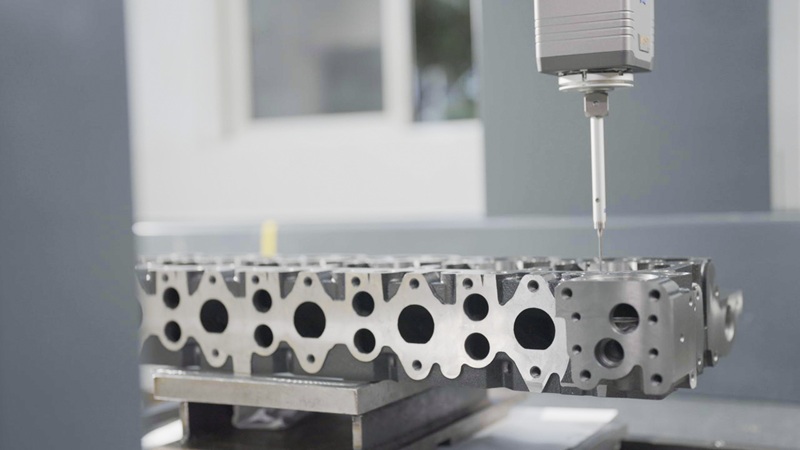
I. Cycle Delays Can Create a Chain Reaction
First, vehicle or machine verification time is compressed. Time originally planned for durability, airtightness, thermal cycling, and vehicle assembly testing may be consumed by earlier delays. Reducing verification rounds to meet deadlines will carry unknown risks to later stages.
Second, design freezes are forced to be postponed. If cylinder block, cylinder head, or housing prototypes cannot be provided in a timely manner, interfaces, piping, assembly, and control strategies will be difficult to finalize, and related parts may also be delayed.
Third, mold modification costs increase. The earlier problems are identified, the lower the cost of modifying digital models or rapid prototypes; modifications after mold completion or even after mass production equipment is in place significantly increase both cost and time.
Fourth, increased pressure to ramp up production. Problems not adequately closed during the trial production phase will surface during mass production, leading to scrap, rework, screening, delivery fluctuations, and even customer shutdown risks.
Fifth, market opportunities are affected. For rapidly evolving new energy vehicle models and high-end motorcycle projects, missing market launch or production ramp-up milestones affects not just a single part, but the entire product plan.
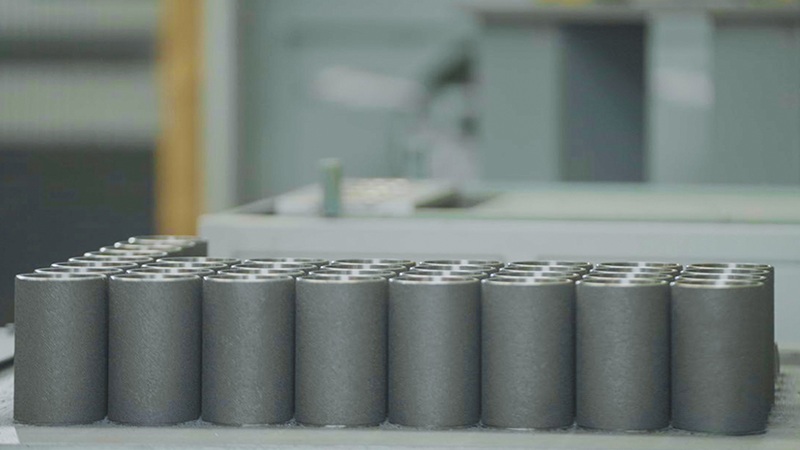
II. Truly effective “speed” means addressing problems earlier. A short development cycle does not equate to omitting reviews, testing, or verification. On the contrary, reliable rapid development often moves more work forward: completing drawings and manufacturability reviews before mold opening, using simulation analysis to check filling and solidification risks, and verifying assembly, internal cavity, and machining schemes through rapid prototypes.
For products with complex structures, small production runs, or designs that may be adjusted, 3D-printed sand molds can reduce the traditional mold-making process, helping customers obtain metal prototypes earlier for structural, assembly, and preliminary performance verification. After successful prototype verification, formal molds are developed based on mass production volume and performance requirements, reducing the risk of premature mold development.
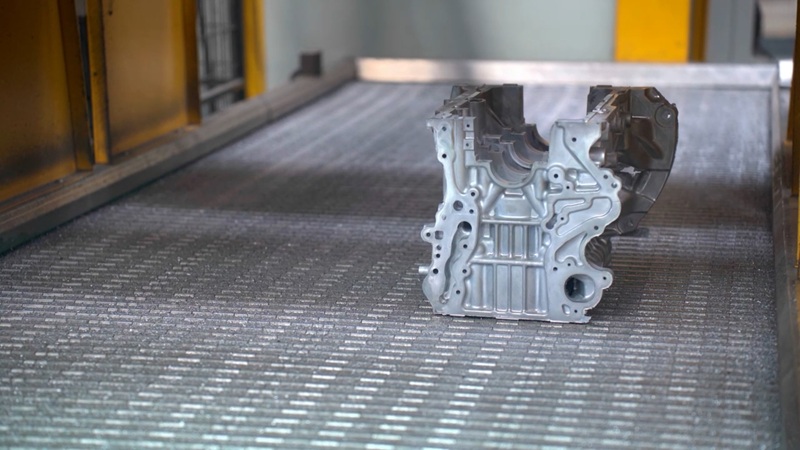
III. Why does one-stop collaboration help control the cycle time?
Casting projects typically involve product design, molds, blanks, heat treatment, machining, cleaning, and inspection. When these processes are distributed among multiple suppliers, issues such as drawing interpretation, benchmark conversion, problem attribution, and shipping delays increase communication costs.
Zhengheng Power provides a one-stop service encompassing design, mold making, casting, and machining, offering various solutions including high-pressure, low-pressure, gravity, and 3D-printed sand molds. Its value lies in enabling earlier collaboration between casting and machining for joint evaluation before mold and process finalization.
Post time: Aug-12-2026