

Zhengheng Power | New Product Development: How Can 3D-Printed Sand Molds Help You Obtain the First “Useful Prototype” Sooner?
During the new product development phase, the first metal prototype often paves the way for subsequent assembly, test bench, road testing, or full-vehicle validation. However, simply pursuing the “fastest production” may also lead to new problems. The value of a prototype lies in helping the project identify structural interferences, internal cavity formation, machining allowances, and the suitability of sealing surfaces and assembly relationships at an earlier stage. Only a prototype that provides meaningful information truly shortens the development cycle.
3D-Printed Sand Molds Transform the Early Preparation Process
Traditional sand mold methods typically require the fabrication of molds or core boxes first, followed by molding, core making, and box assembly. In contrast, 3D-printed sand molds allow for the direct production of sand molds or cores based on digital models, reducing reliance on preliminary tooling. This approach is particularly well-suited for projects involving complex internal cavities, irregularly shaped sand cores, and designs still undergoing iteration. When model adjustments are needed, digital files can be updated alongside the design, eliminating the need to modify hard molds each time. For new product prototyping, small-batch production, spare parts, or the validation of complex structures, this flexibility enables teams to obtain metal prototypes earlier.
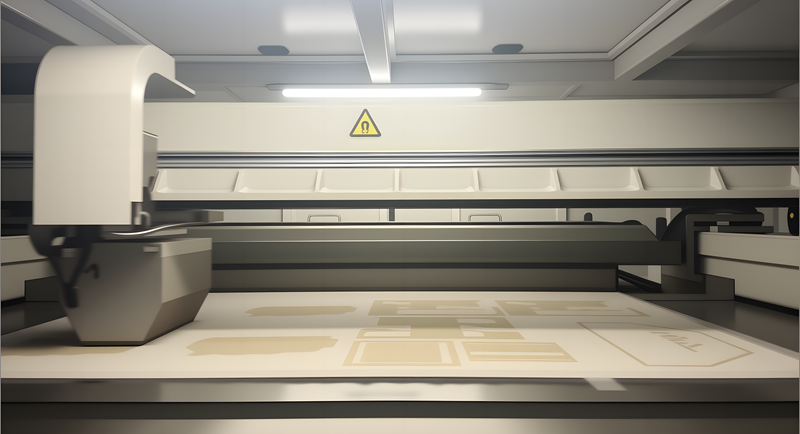
In which scenarios is 3D-printed sand casting most suitable?
The product is still in the concept or engineering prototype stage and requires rapid completion of multiple rounds of structural validation;
Internal cavities, oil passages, water jackets, or irregularly shaped sand cores are complex, and traditional core-making involves lengthy preparation times;
The quantity required is small, making it unsuitable for investing in a full-scale production mold at this stage;
Mass-production tooling is under development, and there is a need to first provide prototypes for assembly or performance testing;
Small-batch spare parts are needed for aging equipment, but the original tooling is incomplete.
What truly shortens the cycle is “thinking things through before printing.”
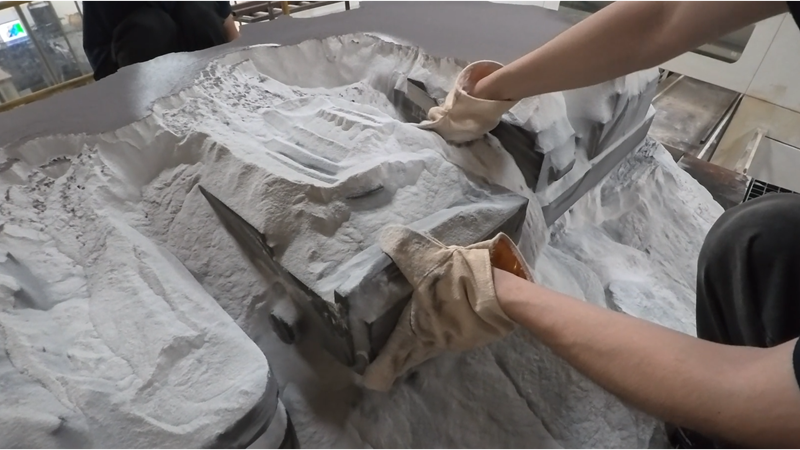
If you print a model immediately upon receiving it, subsequent revisions may still be required due to issues such as draft angles, machining allowances, sand core positioning, feed-in paths, or insufficient inspection space. A more effective approach is to conduct a manufacturing-oriented review before printing to clarify critical dimensions, machining references, inspection methods, and the intended use of the prototype.
Zhengheng Power integrates its 3D-printed sand casting capabilities with the foundry, machining, and inspection processes. For customers, providing 3D models, material specifications, the number of prototypes, their intended use, and project milestones helps the project team select the most appropriate prototyping approach.
Post time: Aug-01-2026