

Aluminum Alloy vs. Cast Iron Cylinder Blocks: Look Beyond Weight
Aluminum alloy blocks offer advantages in lightweighting and thermal management, whereas cast iron blocks excel in rigidity, wear resistance, and heavy-duty applications. Material selection should consider operating conditions, structural design, production volume, and manufacturing capabilities.
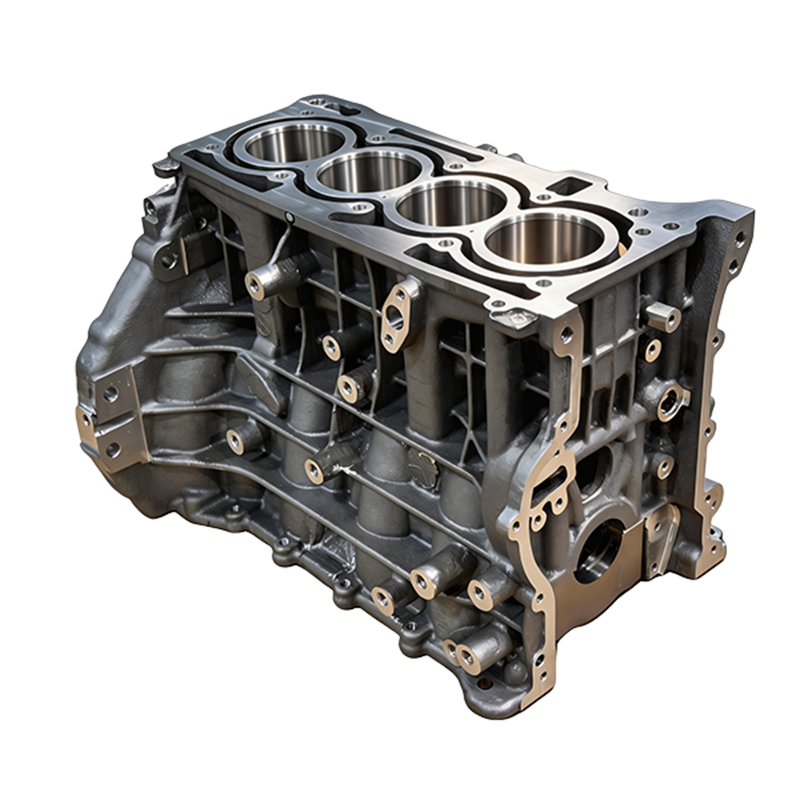
“In the era of new energy vehicles, should all engine blocks switch to aluminum alloy?”
There is no single answer. Hybrid, extended-range, commercial vehicle, construction machinery, and generator set engines operate differently, resulting in varying requirements for weight, strength, thermal management, and service life.
The Appeal of Aluminum Alloy Blocks
Aluminum alloy has a lower density, helping to reduce powertrain weight, and offers superior thermal conductivity, facilitating efficient heat transfer. For passenger vehicles and hybrid or extended-range powertrains, lightweighting significantly impacts vehicle packaging, energy consumption, and driving dynamics.
However, switching to aluminum alloy involves more than simply replacing cast iron with aluminum. Features such as complex coolant passages, oil galleries, cylinder bores, main bearing areas, and sealing surfaces require redesign. The casting process demands strict control over molten metal quality, porosity, shrinkage, and deformation, while post-casting machining must ensure the stability of critical bore patterns and mating surfaces.
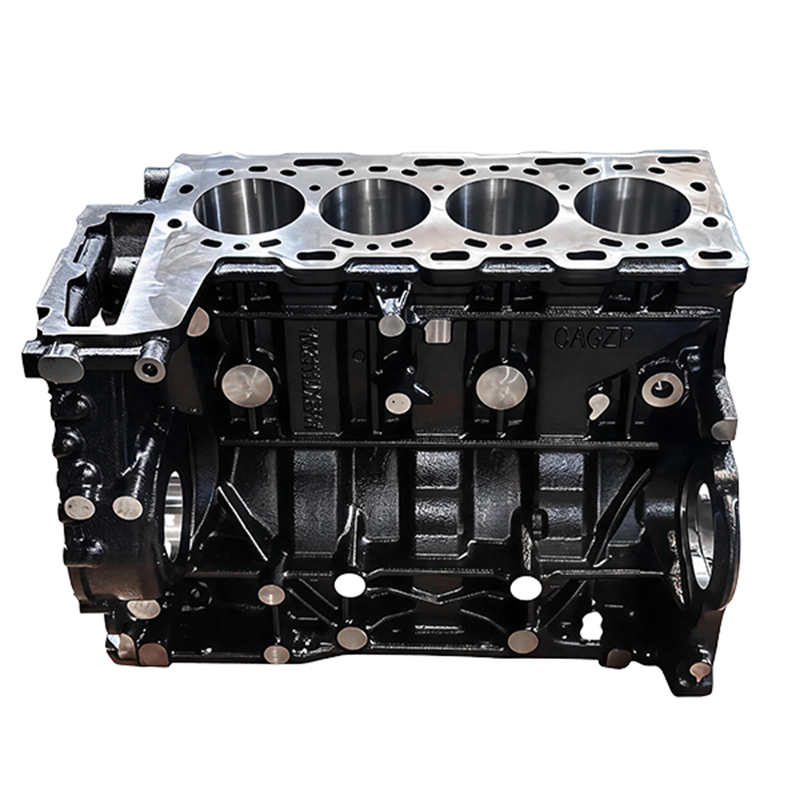
Why Cast Iron Blocks Remain Relevant
High-grade gray cast iron, compacted graphite iron (CGI), and ductile iron offer distinct advantages regarding rigidity, wear resistance, vibration damping, and heavy-duty performance. For commercial vehicle diesel engines, construction machinery, and stationary power equipment—which often operate under high loads for extended periods—material reliability and total cost often outweigh the benefits of weight reduction.
Cast iron quality also relies on precise control. Factors such as graphite morphology, matrix microstructure, carbide content, and consistency in thick-walled sections all influence performance; a single material grade cannot fully characterize the material’s behavior.
Five Questions to Guide Material Selection
1. What are the engine’s load profile and primary operating range?
2. How sensitive is the engine assembly to weight and spatial constraints?
3. How complex are the internal cavities and integrated structures of the block?
4. What is the production stage: prototype, low-volume, or mass production?
5. Can the supplier manage the complete closed-loop process, including material sourcing, casting, machining, and inspection?
Material property charts provide only a starting point; the final decision requires integrating structural analysis, manufacturing risk assessments, and validation results. Total cost is not equivalent to the unit price of the material.
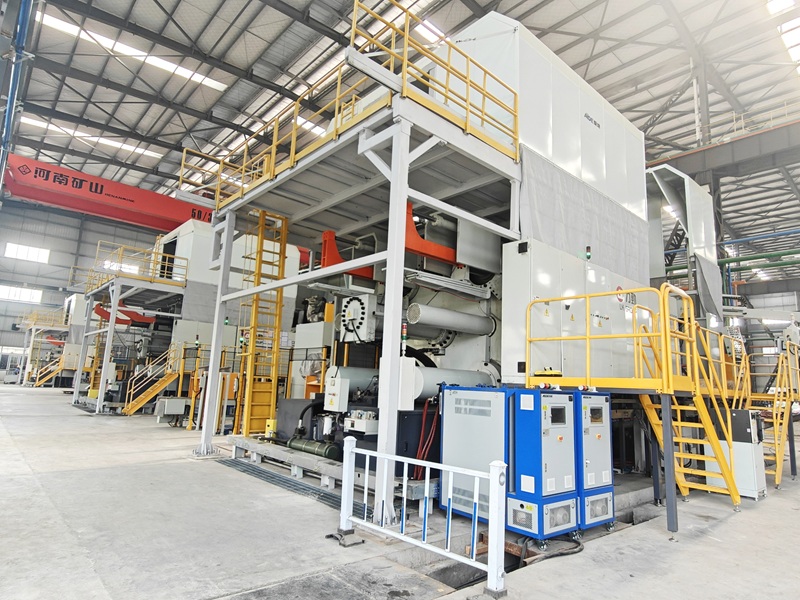
When comparing aluminum alloy and cast iron options, one must account for the costs associated with tooling, melting, casting, heat treatment, machining, cutting tools, inspection, scrap risk, and the value of the complete assembly. A lower unit price for a specific material does not necessarily translate to a lower overall project cost.
Zhengheng Power has long specialized in the R&D and production of engine cylinder blocks, possessing capabilities that span design, tooling, casting, and machining for both cast iron and cast aluminum products. There is no single “superior” cylinder block material in the abstract; the ideal choice depends on the specific operating conditions. Only by clearly defining product objectives, production volumes, and validation requirements can the most suitable manufacturing route be selected.
Post time: Jul-31-2026