

3D-Printed Sand Casting: How to Shorten Development Cycles for Small-Batch, Complex Castings?
Traditional mold-making methods often face pressure regarding lead times and costs when dealing with small-batch prototyping, complex internal cavities, and frequent design iterations. 3D-printed sand molds—created directly from digital data—offer a more flexible alternative for new product development and the manufacturing of complex castings.
The Biggest Challenges in New Product Development
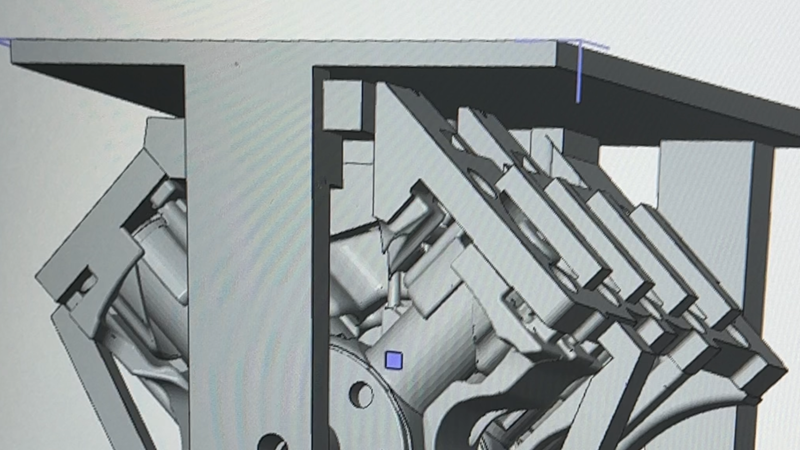
During the development of components for engines, construction machinery, aerospace, and high-end equipment, many products require multiple rounds of validation in the early design stages. Traditional sand casting usually requires the fabrication of patterns or core boxes first; if the product structure changes, the tooling often requires modification. For prototyping projects involving low volumes and designs that are not yet finalized, the time required for mold-making and the cost of modifications can hinder development efficiency.
Meanwhile, trends toward lightweight and integrated designs are making the internal structures of castings increasingly complex. Features such as curved channels, enclosed cavities, and irregularly shaped sand cores not only complicate mold design but can also limit the structural choices available to designers. Consequently, obtaining verifiable, real metal prototypes quickly has become a critical step in new product development.
Which Steps Are Eliminated by 3D-Printed Sand Molds?
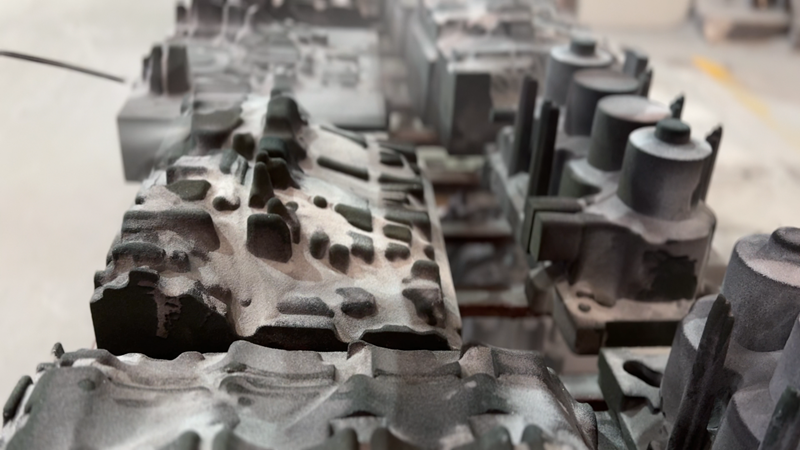
Based on digital models, 3D-printed sand molds and cores are created directly via additive manufacturing, eliminating the need for traditional pattern and core box fabrication. Once design files undergo process preparation, printing can begin immediately, making this method ideal for projects involving small batches, complex structures, and rapid iteration.
“Tooling-Free” Does Not Mean No Process Engineering
The absence of physical molds does not eliminate the need for process engineering. Casting engineers must still design gating systems, risers, machining allowances, parting lines, and shake-out strategies. The true advantage lies in the ability to proceed quickly to the next round of manufacturing after modifying the digital model; design changes do not require the fabrication of an entirely new set of physical molds each time.
Complex Structures Must Still Adhere to Casting Principles
While 3D printing can overcome certain traditional limitations in core making, it cannot bypass the fundamental physics of metal solidification. Defects such as shrinkage porosity can still occur if there are abrupt transitions in wall thickness, inadequate feeding paths, or significant localized hot spots. Therefore, a manufacturability analysis should be conducted at the start of the project to optimize the structure while meeting functional requirements.
For castings with complex internal cavities, specific attention must also be paid to sand core strength, venting, sand removal, and the inspection of internal channels. Combining digital sand mold manufacturing with established capabilities in melting, pouring, heat treatment, inspection, and machining is essential to producing prototypes that are truly ready for installation or performance validation.
Transitioning from Prototypes to Stable Batch Production
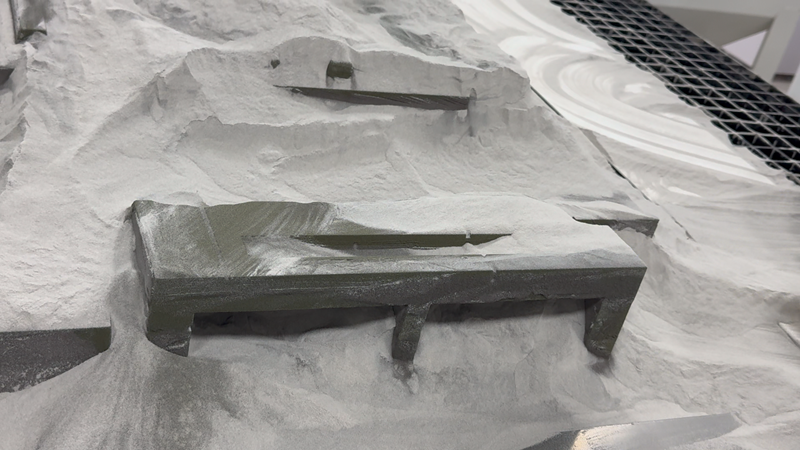
3D-printed sand molds are suitable not only for conceptual prototypes but also for process validation and small-batch production. As product designs stabilize and demand increases, enterprises can evaluate whether to continue using 3D-printed sand molds or transition to traditional mold-based production. Furthermore, the pouring and inspection data gathered during initial trial production can serve as a valuable reference for subsequent mass production processes.
Leveraging its expertise in 3D sand mold casting, diverse casting methods, and machining, Zhengheng Power provides integrated support for projects requiring high precision, complex geometries, and rapid development. By managing the entire workflow—from digital model review, sand mold fabrication, and casting trials to final component machining—the company helps clients reduce the costs associated with multi-vendor coordination and accelerates the transformation of innovative designs into physical parts ready for inspection and validation.
Post time: Jul-31-2026