

Zhengheng Power | Why Do Some Aluminum Alloy Parts Need to “Go into the Furnace” After Low-Pressure Die Casting?
Low-pressure die casting shapes the molten aluminum, while T6 heat treatment is used to adjust the microstructure and properties of certain heat-treatable aluminum alloys. Although these two processes are often used together, they are not necessarily a fixed combination; whether T6 treatment is required depends on the alloy, load, structure, and subsequent processing.
The casting has already been formed, so why does it need to go into the furnace again?
On the drawings of some aluminum alloy structural components, you’ll see condition requirements such as “T6.” This is not merely an additional process; rather, provided the alloy permits it, it involves adjusting the material’s microstructure through solution treatment, quenching, and artificial aging to achieve the target mechanical properties. Low-pressure casting addresses how molten aluminum enters the mold cavity and solidifies into shape, while T6 determines the performance state of the material after forming. Since these two processes address different issues, “low-pressure casting” cannot automatically be equated with “T6 treatment is required.”
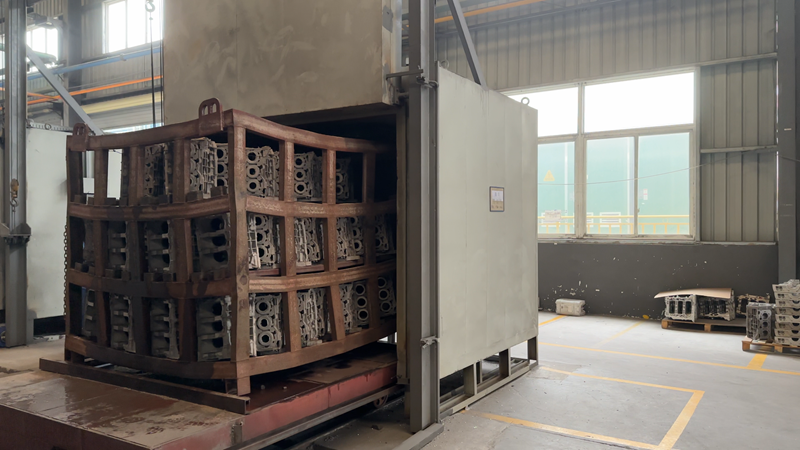
What does the T6 process do?
For aluminum alloys suitable for heat treatment strengthening, solution treatment allows some strengthening elements to enter the solid solution; quenching preserves this state; and subsequent artificial aging forms fine precipitation phases. A validated heat treatment regimen helps the material achieve the required strength, hardness, or other comprehensive properties.
The specific temperature, duration, transfer method, quenching medium, and aging regimen must be determined based on the alloy grade, product wall thickness, structure, and standards. There is no set of universal parameters that can be directly applied to all aluminum alloy castings.
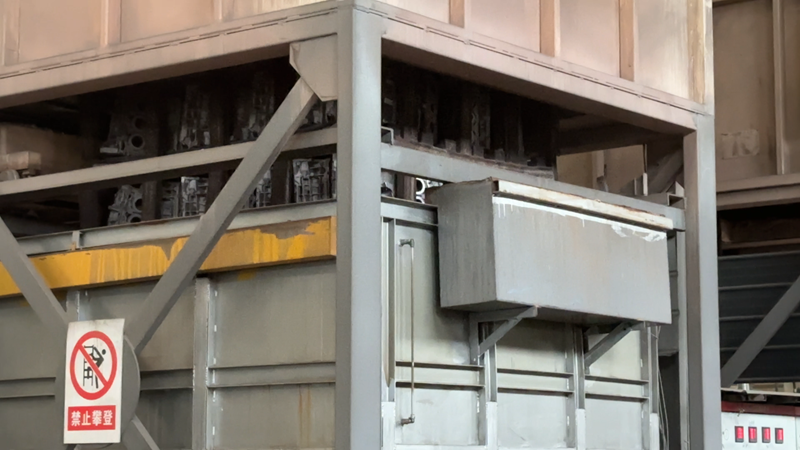
Why are low-pressure castings often associated with T6 treatment?
Some low-pressure castings are subjected to structural loads, fatigue, or thermal cycling, and the alloys used have the potential for heat treatment strengthening. Stable filling and solidification control provide the foundation for subsequent performance adjustments; therefore, these two processes are often used in conjunction for load-bearing aluminum alloy components. However, the decision to use T6 ultimately depends on the product specifications: whether the material is suitable for strengthening, whether the as-cast properties already meet requirements, whether the benefits of heat treatment outweigh the costs of deformation, cycle time, and expenses, and whether subsequent machining and assembly will be affected.
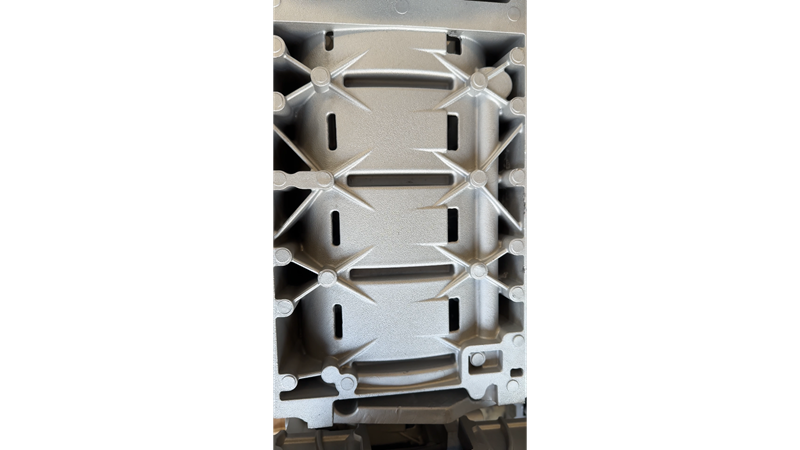
For an aluminum alloy casting, T6 is not a fixed option on the process list. This process is truly valuable only when the alloy has room for strengthening, the product genuinely requires the corresponding properties, and the risks associated with deformation, cycle times, and subsequent machining have all been verified. The testing capabilities of Zhengheng Power and Tonglin Casting can support material and process validation. In actual projects, inspection plans are developed based on customer drawings, material standards, and approved testing scopes to avoid relying on a single hardness value to represent the entire range of product performance.
Post time: Aug-07-2026