

Engine Block Precision Machining: Why Is Critical Bore Accuracy So Important?
After casting, an engine block must undergo precision machining to meet the dimensional and geometric requirements necessary for proper assembly and operation.
Among the most critical features are cylinder bores, crankshaft main bearing bores, and locating holes. Their machining accuracy directly affects component fit, alignment, and overall engine performance.
But why is achieving the correct bore diameter only part of the challenge?
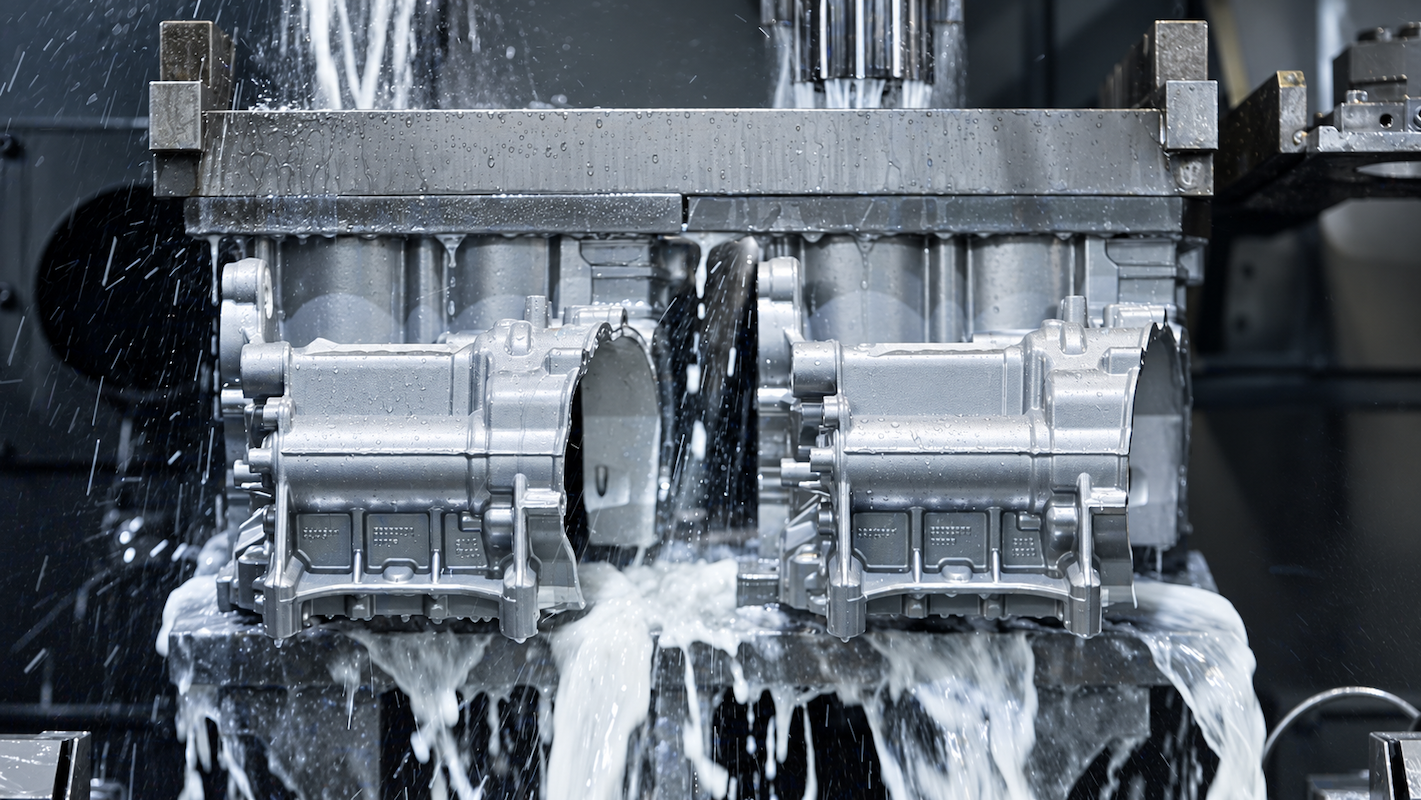
01 | Cylinder Bore Accuracy: Essential for Piston Movement and Sealing
Cylinder bores provide the working surfaces for reciprocating piston movement. Their machining quality plays an important role in the interaction between pistons, piston rings, and cylinder walls.
Beyond bore diameter, roundness, cylindricity, and surface roughness are essential considerations.
Excessive geometric deviations can affect the contact between piston rings and cylinder walls, potentially increasing friction, wear, and oil consumption.
Precision cylinder bore machining therefore requires more than meeting dimensional tolerances. Geometric accuracy and surface quality must also be controlled according to the engine’s design specifications.
02 | Main Bearing Bore Accuracy: Supporting Crankshaft Alignment
Crankshaft main bearing bores are another critical feature of engine block machining.
These bores are typically arranged along the crankshaft axis. Their dimensions, geometry, and alignment directly influence the fit between the crankshaft and its bearings.
If the main bearing bores deviate from the required geometry or alignment, uneven bearing loads and increased friction may occur, potentially affecting crankshaft operation.
For this reason, main bearing bore machining requires careful control of bore diameter, roundness, and the alignment of the bearing bore system to meet assembly requirements.
03 | Locating Holes and Machining Datums: Small Features, Significant Impact
In addition to cylinder bores and main bearing bores, locating holes play an important role in engine block assembly.
These features help establish the relative positions of mating components, including cylinder heads, bearing caps, and other engine parts.
Even when individual dimensions meet their specifications, incorrectly positioned locating holes can affect overall assembly accuracy.
Therefore, precision engine block machining requires appropriate machining datums and careful control of the geometric relationships between critical holes and mating surfaces.
04 | Precision Machining: More Than Achieving the Right Diameter
The quality of critical bores depends on multiple factors throughout the machining process.
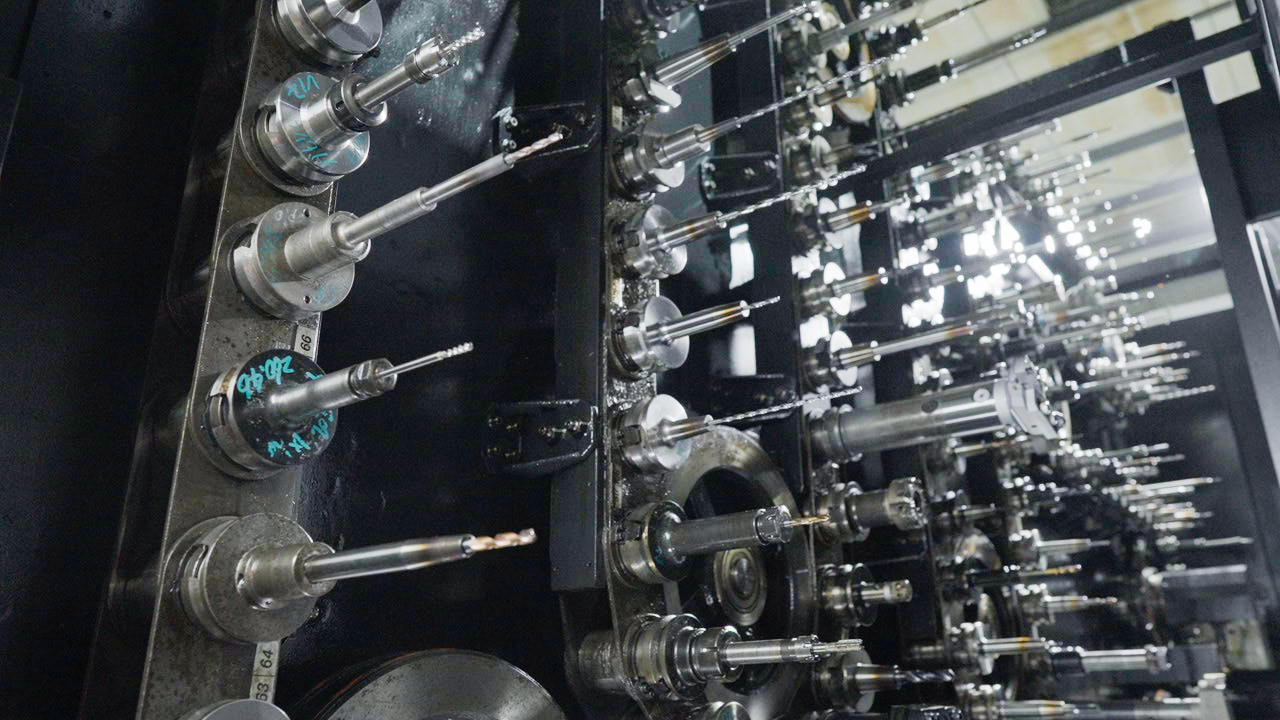
Machine tool performance, cutting tool selection, fixture positioning, machining parameters, and inspection methods all contribute to the final result.
For example, unstable fixturing may introduce positional errors, cutting tool wear can affect bore dimensions and surface finish, and thermal deformation during machining may influence dimensional accuracy.
A well-planned machining process must account for these factors and incorporate appropriate inspection methods to verify that the finished components meet their technical requirements.
05 | From Machining Accuracy to Reliable Assembly
Critical bores are not isolated features. Together, they form the foundation for accurate engine component assembly.
Cylinder bore accuracy affects piston movement, main bearing bore alignment supports crankshaft operation, and locating hole precision helps ensure the correct positioning of mating components.
At Zhengheng Power, we support engine block manufacturing through precision machining and quality inspection, applying process control and inspection procedures to meet the requirements of different engine platforms.
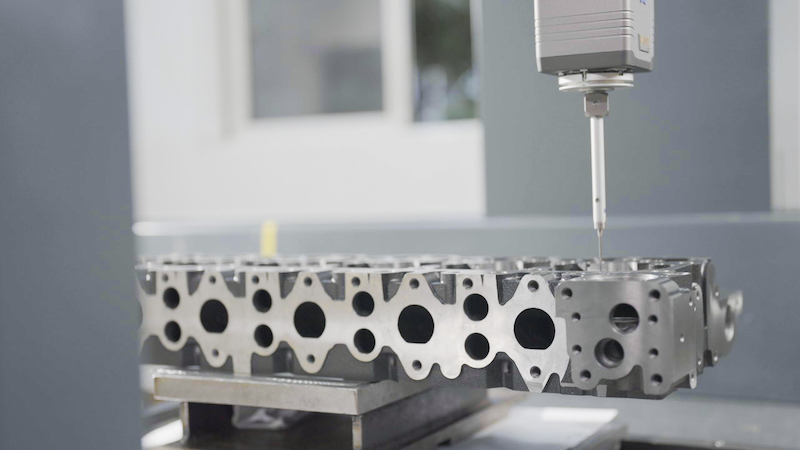
Critical bore accuracy ultimately supports engine assembly quality and operational reliability.
In engine block manufacturing, precision is not simply about achieving the correct diameter. It is about ensuring that critical features work together as intended to support accurate, consistent, and reliable assembly.
Post time: Nov-24-2026