

Cast Iron vs. Aluminum Engine Blocks: Why Are Both Still Widely Used?
As engine manufacturers continue to pursue lightweight designs and improved efficiency, aluminum alloys have become increasingly common in engine block production. However, cast iron remains an important material for diesel engines, commercial vehicles, and certain high-load applications.
If aluminum offers significant weight advantages, why hasn’t it completely replaced cast iron?
The answer goes beyond material properties. Engine block material selection depends on structural design, operating conditions, manufacturing requirements, and overall cost.
01 | Weight and Strength: Different Design Advantages
One of the most noticeable differences between cast iron and aluminum alloys is density.
Cast iron typically has a density of approximately 7.0–7.3 g/cm³, while aluminum alloys generally range from 2.6–2.8 g/cm³. For the same volume, aluminum is significantly lighter, making it an attractive choice for reducing engine and vehicle weight.
However, material density alone does not determine the final weight of an engine block.
Engine blocks must also meet requirements for strength, stiffness, fatigue resistance, and structural stability. Cast iron generally offers a higher elastic modulus and good wear resistance, while aluminum engine blocks may require additional structural reinforcement, cylinder liners, or bore surface treatments to achieve the required performance.
Ultimately, material selection must consider the complete engine block design rather than weight alone.
02 | Thermal Management: How Material Properties Affect Engine Design
During operation, engine blocks are exposed to substantial thermal loads, particularly around the combustion chambers and cylinder bores.
The thermal conductivity and thermal expansion characteristics of the block material play an important role in engine design.
Aluminum alloys generally offer higher thermal conductivity, allowing heat to transfer more efficiently. However, their relatively high coefficient of thermal expansion requires careful consideration of cylinder clearances, component fits, and thermal deformation.
Cast iron typically has lower thermal conductivity but also a lower coefficient of thermal expansion, which can offer advantages in certain high-load engine applications.
It is important to note that overall engine cooling performance depends on more than material selection. Coolant passage design, cooling system efficiency, and the engine’s overall thermal management strategy are equally important.
03 | Cylinder Bore Wear Resistance: Different Materials, Different Solutions
Cylinder bores are subjected to continuous friction and wear from piston ring movement, making surface durability a critical consideration in engine block design.
Cast iron offers good wear resistance, allowing some cast iron engine blocks to use properly machined cast iron cylinder bores directly as the running surface.
In contrast, conventional aluminum alloy surfaces generally require additional wear-resistant solutions to meet cylinder bore operating requirements.
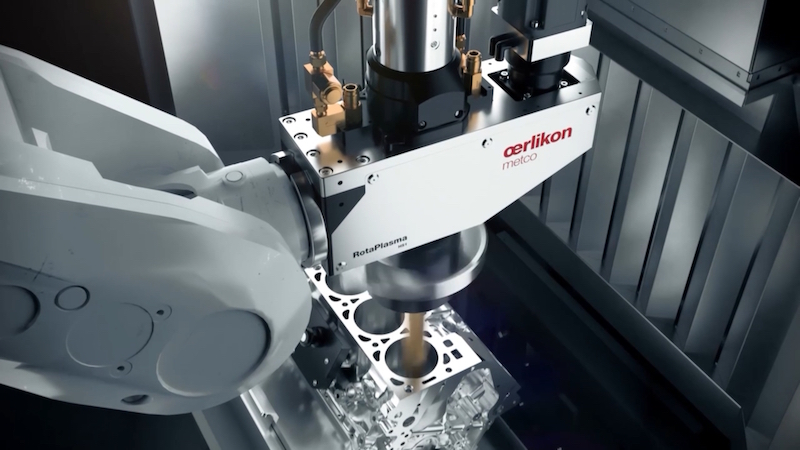
Depending on the engine design, aluminum engine blocks may incorporate cast iron cylinder liners, specialized wear-resistant materials, or cylinder bore surface treatments.
For example, Nikasil coatings and Atmospheric Plasma Spraying (APS) can provide wear-resistant surfaces for certain aluminum engine block applications. Each technology has different processing requirements and application characteristics and must be evaluated according to the engine’s technical specifications.
As a result, material selection influences not only the casting process but also subsequent precision machining, surface treatment, and quality control requirements.
04 | Manufacturing Costs: Looking Beyond Raw Material Prices
Raw material cost is only one part of the total cost of manufacturing an engine block.
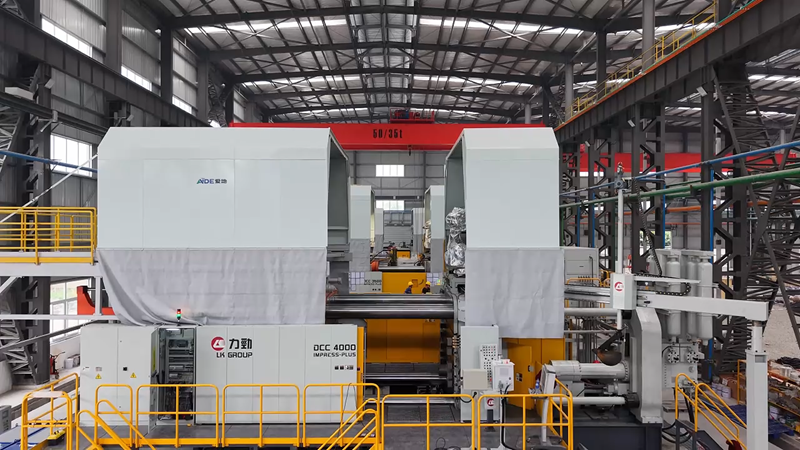
Cast iron and aluminum alloys involve different requirements for melting, casting, machining, surface treatment, and quality inspection. Tooling investment, production volume, cycle times, and manufacturing yield also affect overall production costs.
For example, aluminum engine blocks offer significant lightweighting benefits, but certain designs may require additional cylinder liners or bore surface treatment processes.
Cast iron is heavier, yet it may provide a more cost-effective solution for specific engine designs and production conditions.
Therefore, choosing between cast iron and aluminum requires evaluating the complete manufacturing process, product performance requirements, and total production costs rather than comparing material prices alone.
05 | Why Both Materials Continue to Have a Place in Engine Manufacturing
Cast iron and aluminum are not simply competing materials. Each offers advantages for different engine designs and operating requirements.
Aluminum engine blocks are particularly attractive for applications where weight reduction, thermal management, and vehicle efficiency are key priorities.
Cast iron remains a competitive option for certain high-load engines where structural stiffness, durability requirements, and cost considerations play an important role.
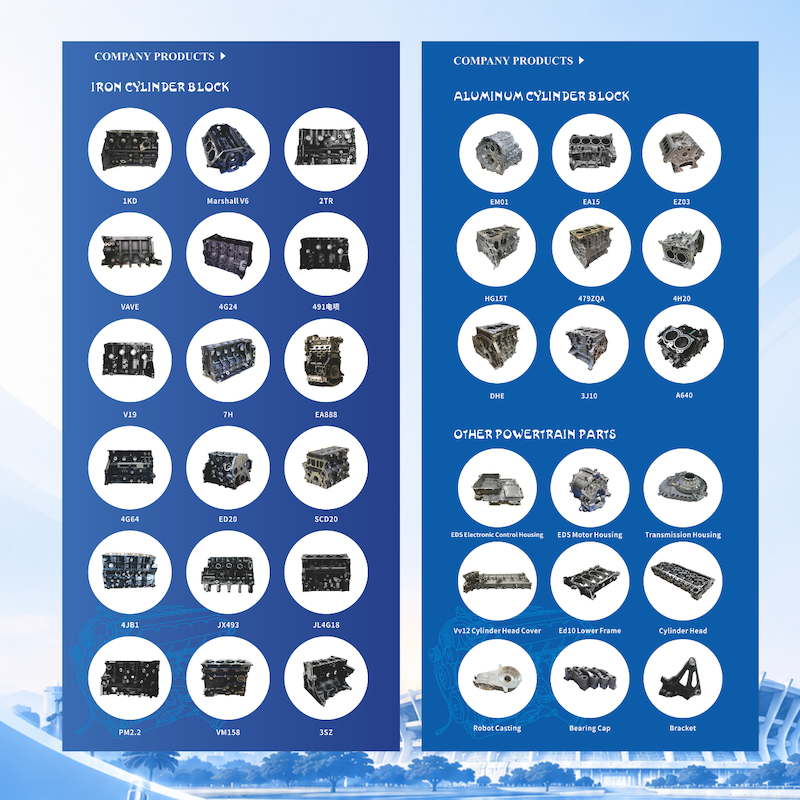
At Zhengheng Power, our product portfolio includes both cast iron engine blocks and aluminum engine blocks, along with a range of other powertrain components.
Drawing on our engine component manufacturing experience, we support customers with different product configurations and manufacturing requirements.
There is no universally superior engine block material. The right choice depends on the application.
Whether cast iron or aluminum is selected, successful engine block manufacturing requires the right balance of material properties, structural design, manufacturing processes, performance, quality, and cost.
Post time: Nov-24-2026