

Magnesium alloy: The core material in the era of lightweight,
empowering industrial upgrading across multiple fields
Driven by the “dual carbon” goals and the iteration of high-end manufacturing, lightweighting has become a core trend in various fields such as automobiles and robots. As one of the lowest-density metal structural materials in industrial applications, magnesium alloy, with its ultimate weight reduction characteristics and excellent comprehensive performance, has become a key force in promoting lightweighting upgrades across various industries. Its application boundaries continue to expand, from core components of automobiles to structural parts of humanoid robots, making it the “new protagonist” in the era of lightweighting.
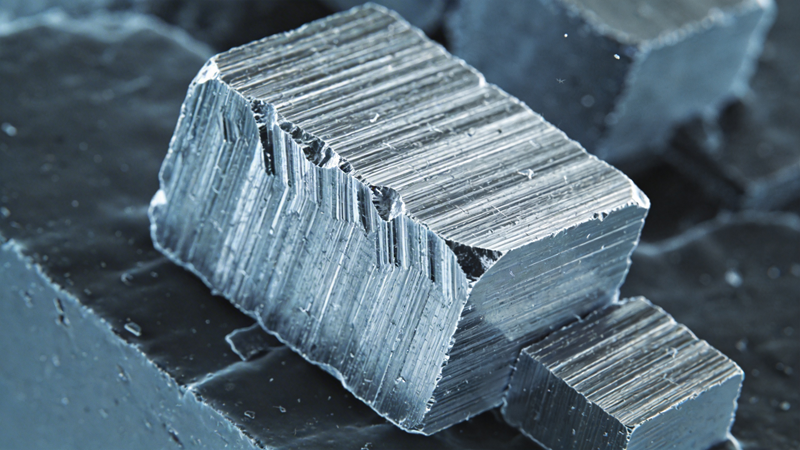
The core competitiveness of magnesium alloys stems from their material properties and breakthroughs in processing technology. With a density of approximately 1.8g·cm³, which is only two-thirds of aluminum alloy and one-fourth of steel, magnesium alloys are an ideal choice for extreme weight reduction. At the same time, they exhibit excellent specific strength and specific stiffness, with compressive strength reaching 106-147Mpa, ensuring structural stability. Furthermore, their superior vibration absorption and damping, electromagnetic shielding, and heat dissipation properties reduce equipment vibration and noise, meeting the electromagnetic protection needs of new energy and electronic devices. Their heat dissipation advantage makes them uniquely advantageous in precision components.
Despite the inherent limitations of magnesium alloys, such as poor heat resistance and poor room temperature plasticity, as well as the complexity of their processing technology, breakthroughs in technologies such as semi-solid die casting and surface protection are gradually addressing these pain points. Among them, semi-solid die casting is a core direction for large-scale processing. By heating the material to a state where solid and liquid coexist, the resulting castings have fewer defects, higher precision, and a strength increase of 10%-30% compared to traditional processes. The scrap rate is only 5%-10%, laying a solid technical foundation for their large-scale industrial application.
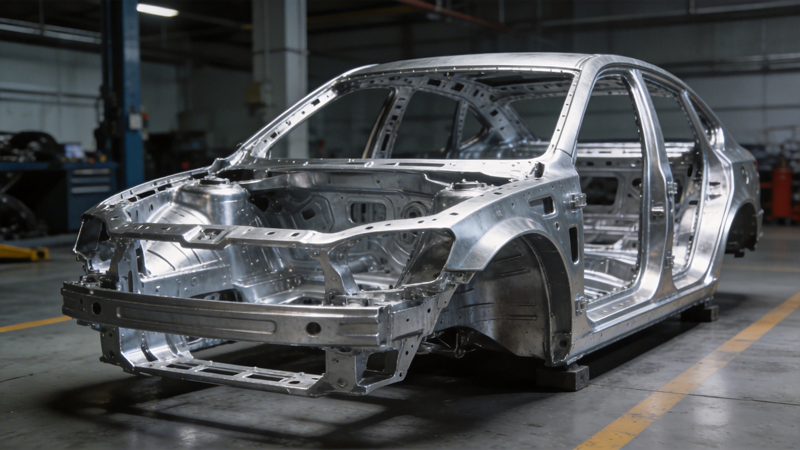
The automotive industry is the field where magnesium alloy finds its most mature and extensive application, with its lightweighting value being particularly prominent. Under the trends of “energy conservation and consumption reduction” and “electric and intelligent vehicles”, lightweighting is the core path to reduce energy consumption and enhance driving range, and magnesium alloy stands as the “advanced choice” for automotive lightweighting. According to industry data, a 10% weight reduction in new energy vehicles can increase driving range by 5%-8%, and a 20% weight reduction in urban driving conditions can reduce energy consumption by 15%. Moreover, the cost is significantly lower than that of increasing battery capacity, offering outstanding cost-effectiveness.
Currently, magnesium alloys have been applied in multiple scenarios within the automotive industry, gradually expanding from small interior parts to medium and large core components such as powertrain housings. Major domestic automobile companies are all engaged in the research, development, and mass production of magnesium alloy components. Models such as the AITO M7 and Xiaomi SU7 have already incorporated magnesium alloy components, confirming the feasibility of their core applications. With the increasing penetration of electric vehicles and breakthroughs in processing technology, magnesium alloys will further cover key structural components and become a core material in the new energy vehicle industry chain.
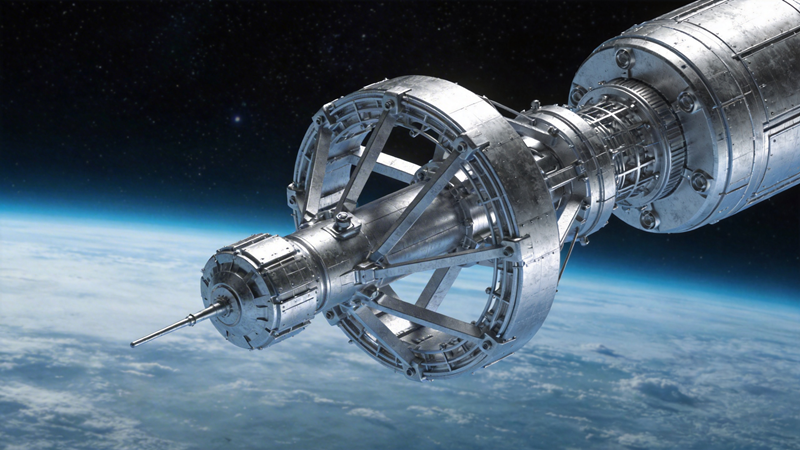
Magnesium alloys have become the preferred choice for structural components due to their material advantages. The high self-weight of mainstream humanoid robots affects their flexibility and endurance, making lightweighting a core optimization direction. The core value of magnesium alloys in the field of humanoid robots is “weight reduction and efficiency improvement”. With a density much lower than that of aluminum alloys, replacing them can significantly reduce weight, enhance endurance, and improve motion performance. Their vibration absorption and damping characteristics can enhance the operational stability of robots, making them suitable for multi-scenario operations. As the humanoid robot industry develops, the application and market demand for magnesium alloys will continue to grow.
In addition to automobiles and humanoid robots, magnesium alloys also have broad applications in aerospace, lightweight electric transportation, and other fields: in the aerospace field, they can be used for non-load-bearing structural components, balancing weight reduction and strength; in the lightweight electric transportation field, they can be used for components such as vehicle frames, enhancing endurance and portability; in the fields of garden machinery and precision electronics, they can leverage their advantages in heat dissipation and shock absorption, continuously expanding the boundaries of application.
From material characteristics to technological breakthroughs, from mature applications to entirely new fields, magnesium alloys have become the core pillar supporting the upgrading of high-end manufacturing, leveraging their irreplaceable lightweight advantage. With process optimization and demand unleashed, their industrial value will further emerge, driving efficient and energy-saving development across multiple fields, and they themselves will usher in a golden era of large-scale production. Zhengheng Power closely follows the trend of lightweighting, laying out its magnesium alloy business. Relying on its core technology and R&D strength, it delves deeply into the research, development, and application of magnesium alloy core components, empowering the industry to take off and exploring a new future together with the industry.
Post time: Mar-31-2026