

Magnesium Alloy: The Core Force of the Lightweight Revolution
In today’s era of rapid iteration in the new energy vehicle, 3C electronics, and aerospace industries, “lightweighting” is no longer merely a technical pursuit but the key code to unlocking efficiency upgrades and achieving green and low-carbon goals. Amid this wave of material innovation, magnesium alloy, with its unparalleled weight reduction advantages and comprehensive performance, has emerged as the preferred alternative to traditional metal materials.
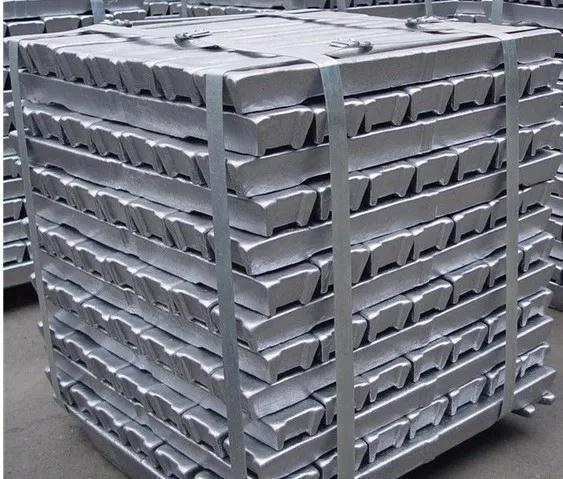
As one of the lightest metal structural materials in industrial applications, magnesium alloy has a density of only 1.74g/cm³, which is 1/4 that of steel and 2/3 that of aluminum alloy. Behind this “lightness” lies its hard-core strength that is no less than that of traditional materials. In the field of new energy vehicles, for every 10% reduction in the vehicle’s weight, the range can be increased by 5% to 8%, and energy consumption can be reduced by 6% to 8%. Magnesium alloy castings not only achieve significant weight reduction but also possess excellent specific strength and specific stiffness, truly achieving “weight reduction without sacrificing rigidity”. At the same time, magnesium alloy is 100% recyclable, perfectly aligning with the green manufacturing concept under the dual carbon goals.
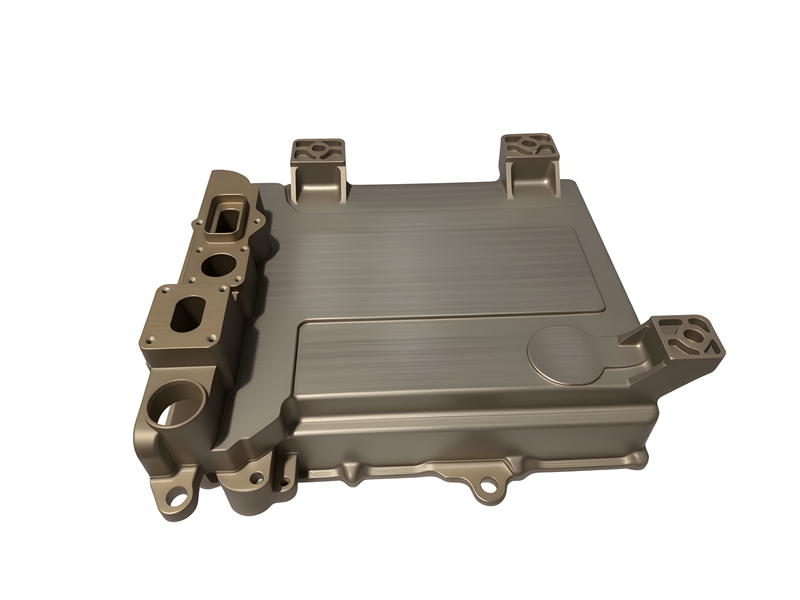
Magnesium alloys have a casting talent far exceeding that of most metal materials: their fluidity is 40% higher than that of aluminum alloys, allowing them to fill complex cavities and produce precision castings. Additionally, their high damping performance effectively reduces vibration and noise, and they have outstanding electromagnetic shielding and thermal conductivity, making them suitable for applications such as automotive chassis and electronic device casings, as well as meeting the strict requirements for precision components in aerospace.
Benefiting from the upgrading demands of downstream industries, the market for magnesium alloy castings is experiencing rapid growth. Among them, the new energy vehicle market is the core incremental market, with the amount of magnesium alloy used per vehicle increasing at an average annual rate of 15%, and it is expected to exceed 4 kilograms by 2026.
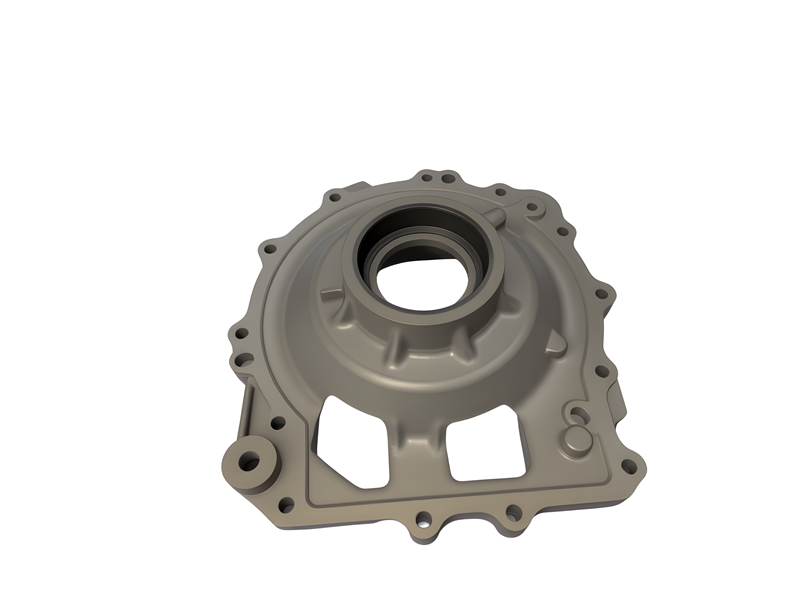
Despite its significant advantages, magnesium alloy casting still faces common industry technical bottlenecks such as melt purification, oxidation control, and defect avoidance, which restrict its large-scale popularization. Zhengheng Power, relying on its years of technical accumulation in the casting field, fully leverages its existing R&D resource advantages, takes mature technologies such as plasma cylinder bore spraying and sand mold 3D printing as the foundation, and actively conducts research and exploration as well as technical reserve work related to magnesium alloy casting.
From the structural components of new energy vehicles to the thin and light casings of 3C electronics, magnesium alloys are reshaping the product forms of various industries with their unique advantages. With continuous technological breakthroughs and innovations, magnesium alloys will play a more central role in the lightweight revolution. Zhengheng Power is also accumulating strength for future participation in the industrial application of magnesium alloys and promoting the green and efficient material revolution through continuous research investment and solid technical reserves.
Post time: Jan-26-2026